
Core Characteristic Differentiation Analysis Of Soy Textured Vegetable Protein And Soy Fibrous Protein
Aug 13, 2026
I. Raw Material Formulation Differences
Soy Textured Vegetable Protein (TVP) primarily uses defatted soybean meal as its core raw material, with a simple formulation structure that does not require high-purity protein adjuncts, resulting in lower raw material procurement costs. Its finished product protein content ranges from 50% to 60%.
Soy Fibrous Protein (SFP) – also known as soy pulled protein – is formulated with a blend of soy protein isolate, wheat gluten, and soybean meal as base materials. It relies on high-purity protein components to support fiber formation, leading to higher raw material costs, and its finished product protein content can reach 75%–85%.

II. Process and Internal Structure Differences
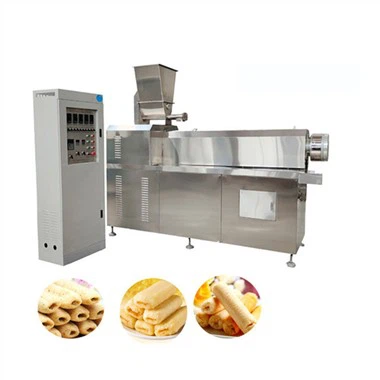
Soy Textured Vegetable Protein is produced using a low-moisture instantaneous extrusion puffing process. The material undergoes high-temperature, high-pressure non-directional foaming, with protein molecules randomly cross-linked. The finished product exhibits a disordered porous network structure without layered fibrous texture. Its forms are mostly granules, crumbles, and small cubes. After rehydration, the texture is loose, lacks tensile toughness, easily crumbles under stress, and absorbs water and broth rapidly.
Soy Fibrous Protein is produced using a high-moisture, high-shear directional extrusion cooking process, with equipment featuring zone-controlled temperature and graded shear force application, driving protein molecules to align and stretch in a parallel orientation, forming multi-layered continuous muscle-like fibrous structures. Finished products come in blocks, columns, and large sheets. After rehydration, they can be hand-shredded into intact meat-like strands, exhibiting elasticity and chewiness similar to livestock and poultry meat, maintaining integrity during prolonged cooking and braising.
III. Downstream Application Scenario Differences
Soy Textured Vegetable Protein is mostly used as a filler for meat products to increase volume, suitable for fillings in dumplings, buns, meatballs, meat sauces, hamburger patties, luncheon meat, and similar processed meats. It is also used as a low-cost vegetarian filler and as a protein supplement in pet feed, primarily serving mass production and cost-effectiveness needs.
Soy Fibrous Protein targets the mid-to-high-end plant-based meat substitute market. It is the core ingredient for hand-shredded vegetarian beef, vegetarian steak, vegetarian ribs, and braised prepared vegetarian meat. Its products have strong meat-like texture and higher added value, suitable for ready-to-eat vegetarian snacks in supermarkets, prepared dishes for chain restaurants, and export orders for plant-based meat alternatives.

In summary, although both TVP and SFP fall under the category of extruded plant proteins, they differ fundamentally in raw material composition, fiber formation mechanism, textural properties, and end-use applications. Accordingly, the technical routes and equipment configurations required for their production lines are also distinct. When initiating projects and selecting production lines, enterprises should align their product positioning, target market segments, and capacity planning with the appropriate process solutions and complete equipment sets to ensure stable product quality and optimal investment returns.
Jinan Forward Machinery Equipment Co., Ltd., with deep expertise in twin-screw extrusion technology, offers customized turnkey production line solutions and full-process technical support tailored to the differentiated process requirements of both TVP and SFP products. For further details on specific process parameters, equipment configurations, or to schedule trial runs with your materials, please contact our technical team via the contact information on our official website.