
The 'Making Process' Of A Good Chew Toy: How Are Pet Chew Toys Manufactured?
Aug 01, 2026
Pet chews generally refer to pet snacks or food-type products that allow dogs and cats to chew and gnaw for extended periods. Based on substrate and function, they can be subdivided into:
Edible chews – mainly made from animal hide, starch, plant protein, etc. Pets gradually consume them during chewing, satisfying their taste while supplementing certain nutrients.
Semi‑edible / durable chews – made from high‑density hide, plant fibre, or special food‑grade polymers. They are tough, slow to consume, and focus on satisfying the chewing instinct and promoting oral hygiene.
Functional chews – formulated with dental‑care agents, vitamins, glucosamine, etc., targeting specific needs such as oral health or joint support.
A quality chew must balance safety, palatability, and durability. These attributes start with the raw materials and the production line.

Before entering the production line, all raw materials undergo strict cleaning and screening to remove impurities, ensuring every batch is clean and safe. Although this is a basic step, it determines the stability of subsequent processes.
Only sufficiently pure raw materials, combined with precise processing, can enter a pet's mouth. Currently, mainstream chew ingredients include:
Animal hides – e.g., bovine, porcine, equine hides, which require de‑hairing, degreasing, washing, etc. They are classic high‑protein, durable substrates.
Poultry and fish – chicken breast, duck, salmon, etc. Usually minced or ground into paste and blended with other ingredients to provide high‑quality animal protein and natural flavour.
Natural starches and plant proteins – corn starch, tapioca starch, pea protein, etc. Used to adjust texture, making dental bones or starch‑based chews that are crispier or more resilient.
Gelling agents and fibres – edible gelatin, collagen, glycerine, wheat bran fibre, etc., for thickening, moisture retention, shaping, and hardness regulation.
Natural flavourings – hydrolysed liver, dried yeast, plant essential oils, etc., to enhance palatability without artificial attractants.
All ingredients must meet pet food hygiene standards and are accurately proportioned and processed on automated production lines.

This is the critical stage where raw materials are transformed into high‑quality chews. A complete chew production line typically consists of the following sections and equipment:
Raw material pretreatment and batching – Hides are cleaned, soaked, degreased, then crushed to a certain particle size by heavy‑duty crushers or mincers. Powdered ingredients (starch, plant protein, etc.) are fed via vacuum conveyors into closed weighing and batching systems, enabling precise multi‑component formulas, reducing human error and dust pollution.
Conditioning and mixing/kneading – Hide particles, meat paste, starch, water, glycerine, etc., are placed into large mixers or vacuum kneaders according to the formula. Under uniform stirring, the materials are fully blended into a cohesive, extensible dough. Vacuum conditions help remove air bubbles, resulting in a denser texture and better durability.
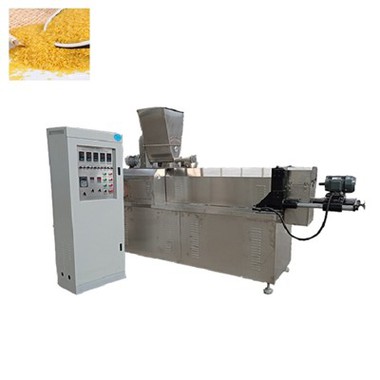
Extrusion forming and cutting – The dough is extruded through twin‑screw extruders or hydraulic forming machines, passing through specific moulds to produce continuous strips, sticks, bones, or special shapes. A servo cutter then performs high‑speed, fixed‑length cutting, enabling shapes like knotted bones, spiral sticks, toothbrush bones, etc. Temperature and pressure control during forming directly affect product density and appearance. An intelligent temperature‑control system keeps material temperature fluctuations within a narrow range, preventing excessive starch gelatinisation or protein denaturation.

Drying and moisture control – The cut wet products are placed on multi‑layer belt dryers or tunnel dryers for staged, temperature‑controlled dehydration. This includes pre‑drying, main drying, and moisture‑equalising zones. Through hot‑air circulation and humidity control, moisture evaporates slowly, avoiding a hardened surface with a soft interior. After drying, the products move to a cooling conveyor to naturally return to room temperature and stabilise their shape.
Flavouring coating and secondary drying – If required, the finished chews are sprayed with natural flavour liquids (e.g., chicken liver liquid, fish oil) in a drum coater, then briefly dried in a short‑path hot‑air dryer to lock in the taste. For some dental chews, dental particles or plant extracts are applied on the surface in this same section.
Metal detection and automatic packaging – At the end of the line, all products pass through high‑sensitivity metal detectors to prevent foreign contaminants. Finally, multi‑head combination scales and vertical/fill‑seal packaging machines or pre‑made pouch packers complete quantitative bagging and sealing. The packaging line can also be equipped with nitrogen‑flushing devices to extend shelf life.
Key benefits of pet chews:
Aid in oral hygiene – Chewing provides physical friction against tooth surfaces, helping reduce tartar build‑up; combined with dental ingredients, it can freshen breath.
Satisfy the urge to chew and relieve stress – The chewing process stimulates the release of dopamine and other mood‑regulating substances, helping alleviate separation anxiety, dissipate excess energy, and reduce destructive behaviour.
Exercise jaw muscles – Appropriate hardness helps maintain the activity of jaw muscles and periodontal tissues, aligning with pets' natural foraging and chewing instincts.

Nutritional supplementation – Chews made from real ingredients like bovine hide, chicken, or fish provide protein, collagen, and minerals as a supplement to regular meals.
Enhance human‑pet interaction – Using chews in interactive games (retrieval, waiting commands) can strengthen bonding and obedience.
If you would like to learn more about chew production processes or are looking for high‑quality pet snack manufacturing equipment, feel free to contact us. We will continue to share more professional knowledge.