
How To Produce Floating And Sinking Fish Feed
Jan 23, 2024
raw material
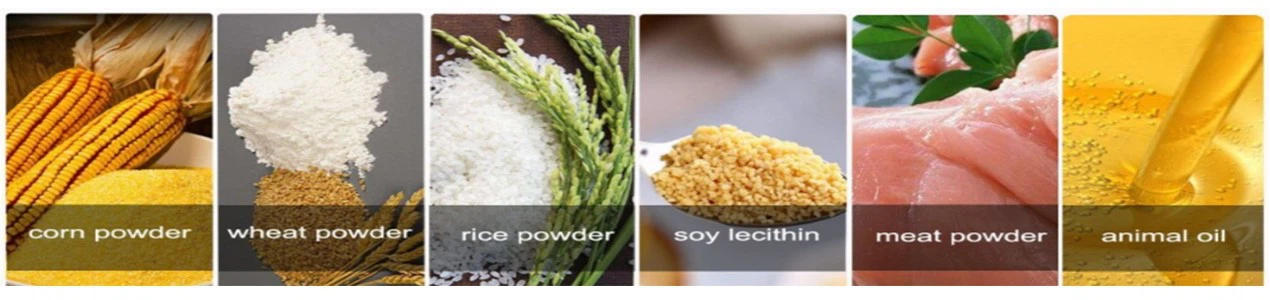
Adopts corn flour, fish meal, bone meal, meat meal, soyabean powder etc as row materials.
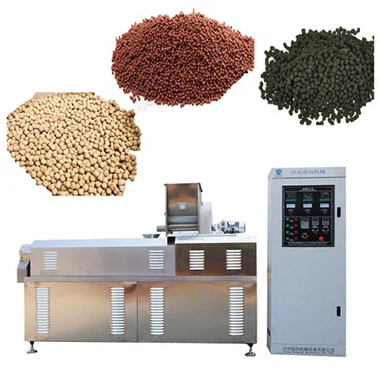
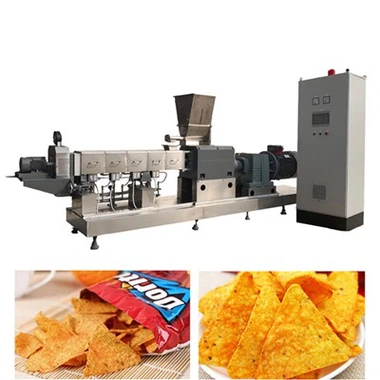
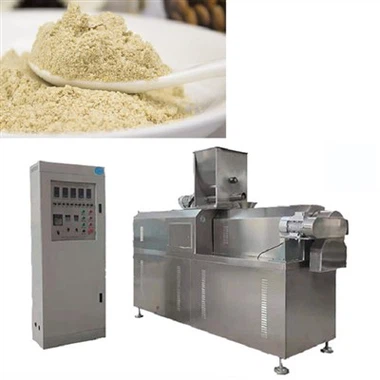
Products sample
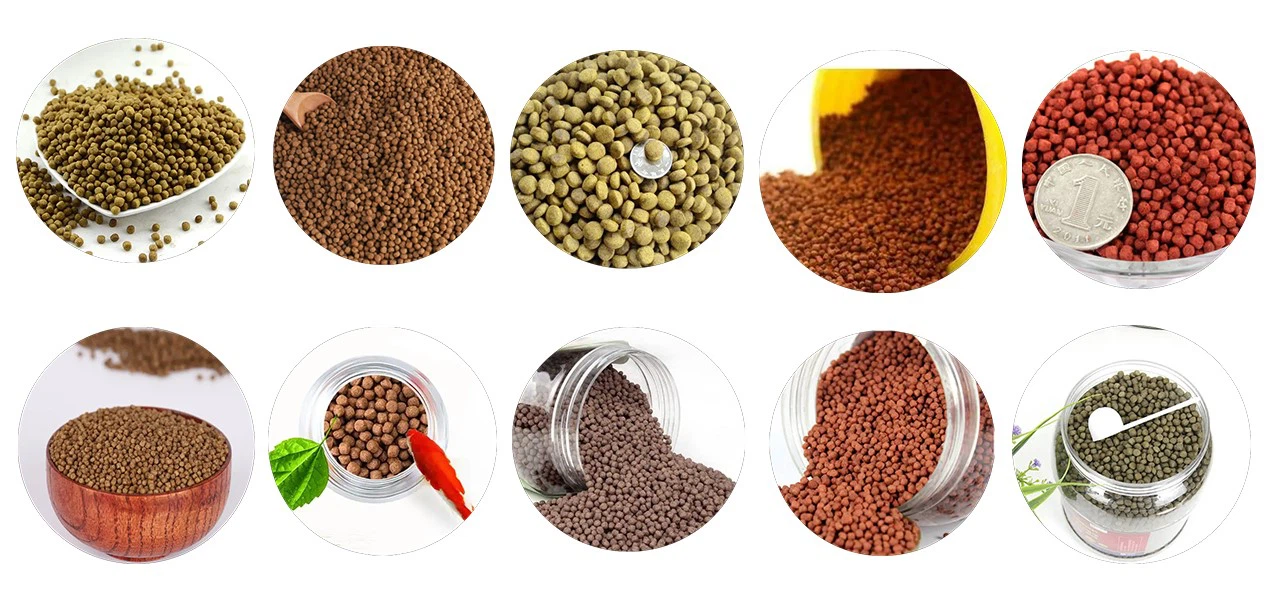
about floating and sinking fish feed
Producing floating and sinking fish feed can be a rewarding and profitable venture for entrepreneurs in the aquaculture industry. Here are some steps to follow to produce high-quality floating and sinking fish feed.
1. Raw material selection: The selection of raw materials is crucial in the production of fish feed. The main ingredients for fish feed are fishmeal, soybean meal, corn, wheat, and rice bran. Ensure that the raw materials are of good quality and are free from contaminants.
2. Grinding: The selected raw materials should be grounded to the desired particle size. This is necessary for proper digestion by the fish.
3. Mixing: After grinding, the raw materials are mixed in the correct proportions. This is to ensure that the feed has a balanced nutritional content.
4. Conditioning: The mixed raw materials are conditioned to enhance the digestibility of the feed. Conditioning involves the use of steam to improve the gelatinization of the starch in the feed.
5. Pelletizing: After conditioning, the prepared feed is pelletized. This involves the use of a pellet mill to compress the feed into pellets of different sizes.
6. Drying: The pellets are then dried to remove excess moisture. This is done to improve the shelf life of the feed.
7. Coating: For floating fish feed, the pellets are coated with an oil layer to make them float. This involves spraying the pellets with a mixture of oil and vitamins.
For sinking fish feed, the pellets are left uncoated. This allows them to sink to the bottom of the water where the fish can easily feed on them.
In conclusion, producing high-quality fish feed requires careful consideration of the raw materials, grinding, mixing, conditioning, pelletizing, drying, and coating (for floating fish feed). Proper attention and adherence to good manufacturing practices will help ensure the production of high-quality feed that is both nutritious and profitable.