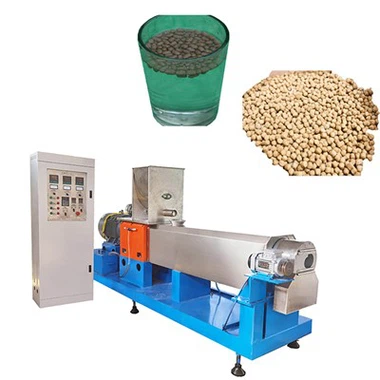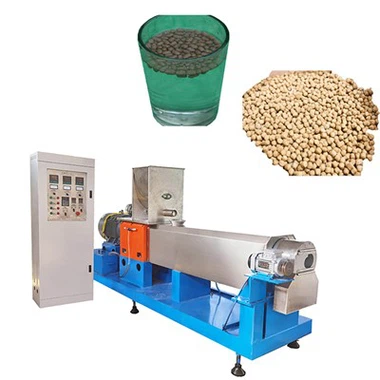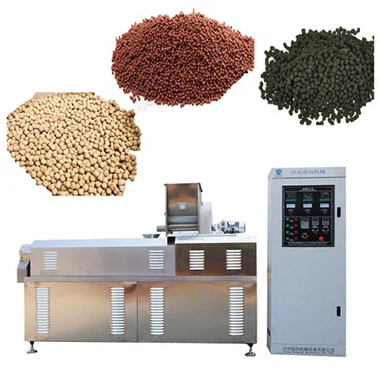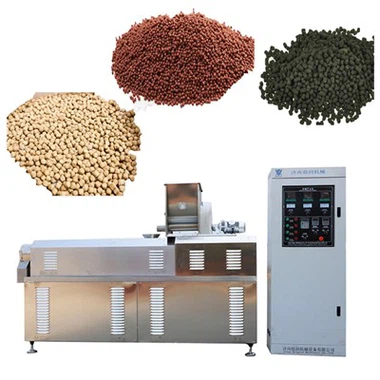



Sinking Fish Feed Pellet Production Machine
1. Certification: CE ISO SGS.
2. Motor: Siemens, ABB or Chinese Brand.
3. Product Origin: Shandong Province,China.
4. Delivery time: 25-30 working days.
5. Packaging Details: Wooden cases or wooden pellets depended on clients' requirements.
6.Payment Terms:L/C,T/T and so on.
Description
Video
Unique to the automated fish feed production line process is the use of advanced technology to ensure that each step of the process is done with precision and accuracy. The use of automated machines also ensures that the process is done efficiently and at a larger scale. The end product is a high-quality fish feed pellet that meets the nutritional needs of different types of fish and supports their growth and health.
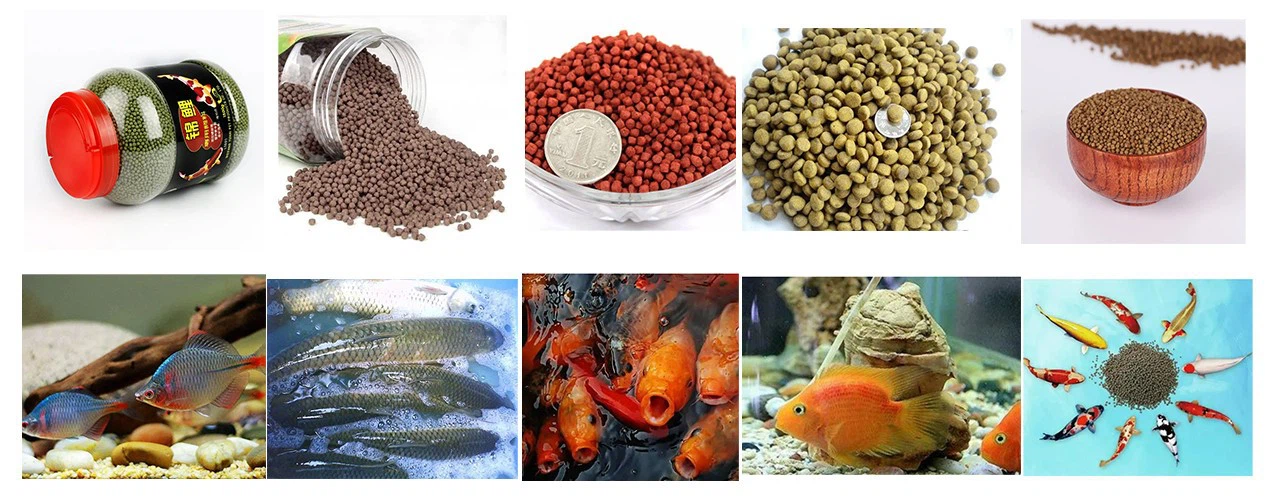
Sample
Specifications
|
Model |
Installed Power |
Power Consumption |
Output |
Size |
|
DSE - 65 |
74 kw |
52 kw |
100-150 kg/h |
17x1.3x2.2(m) |
|
DSE - 70/75 |
105 kw |
75 kw |
200-250 kg/h 250-350 kg/h |
20x1.5x2.2(m) |
|
DSE - 85 |
205kw |
150 kw |
350-500kg/h |
30x1.5x2.6(m) |
|
DSE - 95 |
165kw |
90kw |
1000-1500kg/h |
40x3.5x4.5(m) |
|
DSE - 132 |
280kw |
132kw |
3000-3500kg/h |
45x4.5x6(m) |
Flow Chart
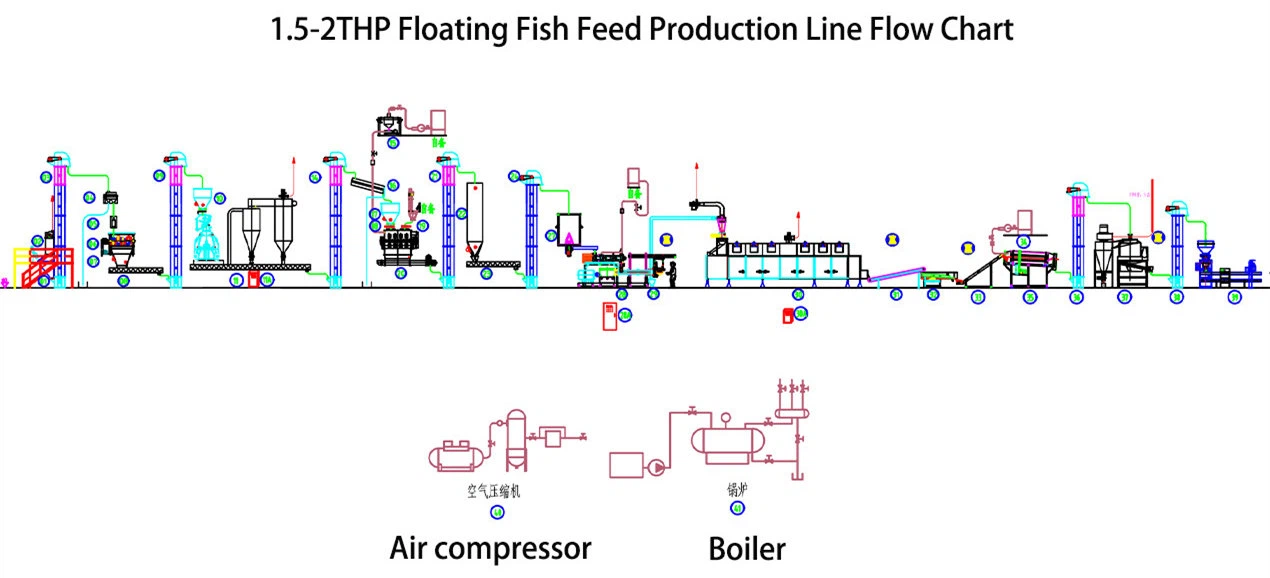
Mixing - Hoist - Milling - Hoist - Extrusion - Hoist - Dryer - Hoist - Flavoring - Cooling - Packing
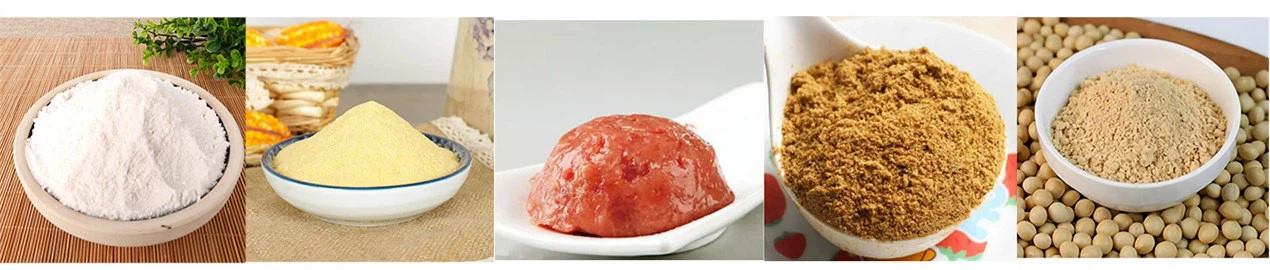
Raw Materials
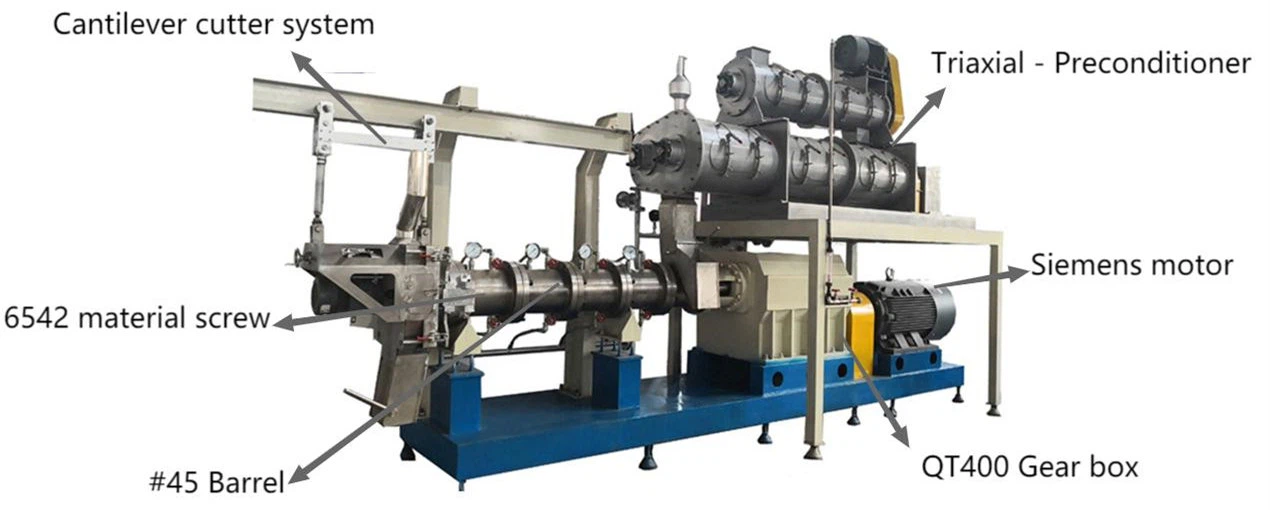
Machine Detail
twin screw extruder advantage
1. High production rate: The twin-screw extruder can produce sinking fish feed at a high rate, making it an ideal choice for commercial fish feed production.
2. Better feed quality: The extruder ensures uniform mixing and thorough cooking of ingredients, resulting in a better-quality feed with improved nutrient availability and digestibility.
3. Precise production control: The extruder allows for precise control of various processing parameters, such as temperature, pressure, and feed rate, ensuring consistent output quality.
4. Versatility: The twin-screw extruder can handle a wide range of ingredients, including different types of grains, proteins, and vitamins, providing flexibility in feed formulations.
5. Reduced cost: The process of extrusion has been shown to increase feed efficiency, resulting in reduced feed cost per unit of weight gain.
6. Longer shelf life: The expanded sinking feed produced by the twin-screw extruder has a longer shelf life compared to other types of fish feed, reducing the need for frequent feed replacements.
about single-screw and double screw
Fish feed production can be carried out using either a single-screw or a twin-screw extruder. While both methods are effective, there are some differences to consider when deciding which method to use for manufacturing fish feed. The main difference between these two methods is the number of screws used in the extrusion process.
As the name implies, a single-screw extruder has only one screw that rotates to create the necessary pressure and heat to process the feed. On the other hand, a twin-screw extruder has two screws that work together to push the feed through the extrusion chamber. One of the advantages of using a single-screw extruder is that it is typically less expensive than a twin-screw extruder. It can also be more efficient for producing smaller batches of fish feed.
However, a twin-screw extruder has some advantages as well. It can handle a wider range of ingredients and produce a more uniform product, which can be important for the nutritional quality of the fish feed. Additionally, a twin-screw extruder can operate at lower temperatures than a single-screw extruder, which can help maintain the nutritional quality of the feed. This can be particularly important for producing feed with heat-sensitive ingredients.
other product
A twin-screw extruder is a versatile piece of machinery that can produce a wide range of products. These extruders use two interlocking screws to mix, agitate, and push materials through a die or nozzle to create a continuous stream of finished product.
In the food industry, twin-screw extruders can be used to create a variety of snacks such as breakfast cereals, snack bars, and puffed snacks. These extruders can also be used to make pet food, animal feed, and even textured vegetable protein for vegetarians and vegans.
Products Description
Our company takes great pride in the quality of our machines and has obtained various certificates to prove this fact. We have obtained CE certification, which shows that our machines comply with the European Union's health, safety and environmental protection standards. This certification is important to our customers operating in the European market as it demonstrates our commitment to producing safe and reliable products. This certification ensures that our machines are designed and produced in a way that meets the highest quality standards.
In addition, we have a team of highly qualified and experienced engineers who conduct strict quality control inspections throughout the production process. We believe that investment in machine quality is a key factor in our company's success, and we remain committed to providing our customers with the highest quality products.

our service
Most reputable fish feed extruder manufacturers understand the importance of after-sales service and invest significant resources in ensuring customer satisfaction. We offer a warranty on our machines to give our customers peace of mind. These warranties cover maintenance, repair and replacement of faulty parts to ensure optimal performance of the machine.
In addition, we typically provide training to its customers' technicians to ensure they are able to fully operate, troubleshoot, and maintain machines effectively. We also provide technical support, which can be in the form of on-site visits or online support, to help customers solve any technical difficulties they may encounter during machine operation.
Another way we enhance our after-sales service is by ensuring timely delivery of spare parts. When a machine breaks down, having the necessary spare parts available is critical to minimizing the time it takes to get the machine back up and running. We usually have a comprehensive spare parts inventory and can resolve any repair or replacement issues immediately.

Packaging & Shipping
Transporting a machine can be a daunting task, but with some proper planning and attention to detail, it can be done safely and efficiently. Here are some things to keep in mind:
1. Make sure the machine is properly secured: Use straps and tie-downs to ensure the machine is held firmly in place during transport. This will prevent it from shifting or falling over during transit.
2. Protect the machine: Cover the machine with a tarp or other protective material to keep it safe from dirt, debris, and other hazards on the road.
3. Consider the weight of the machine: Ensure that the vehicle used for transport is capable of handling the weight of the machine. This will prevent damage to the vehicle and ensure that the machine arrives at its destination safely.
4. Plan the route: Choose the most direct and safe route for transportation. Avoid narrow roads, sharp turns, and other obstacles that could cause problems with the machine or the transport vehicle.
5. Know the regulations: Be aware of any regulations or permits required for transporting the machine. This might include special permits for oversize loads, compliance with load limits and other road laws.

Hot Tags: sinking fish feed pellet production machine, China sinking fish feed pellet production machine manufacturers, factories, Fish Food Extruder Machine, Shrimp Feed Machine, Floating Fish Feed Production Line, Floating Fish Feed Pellet Making Machine, Fish Feed Production Line, Fish Food Processing Line